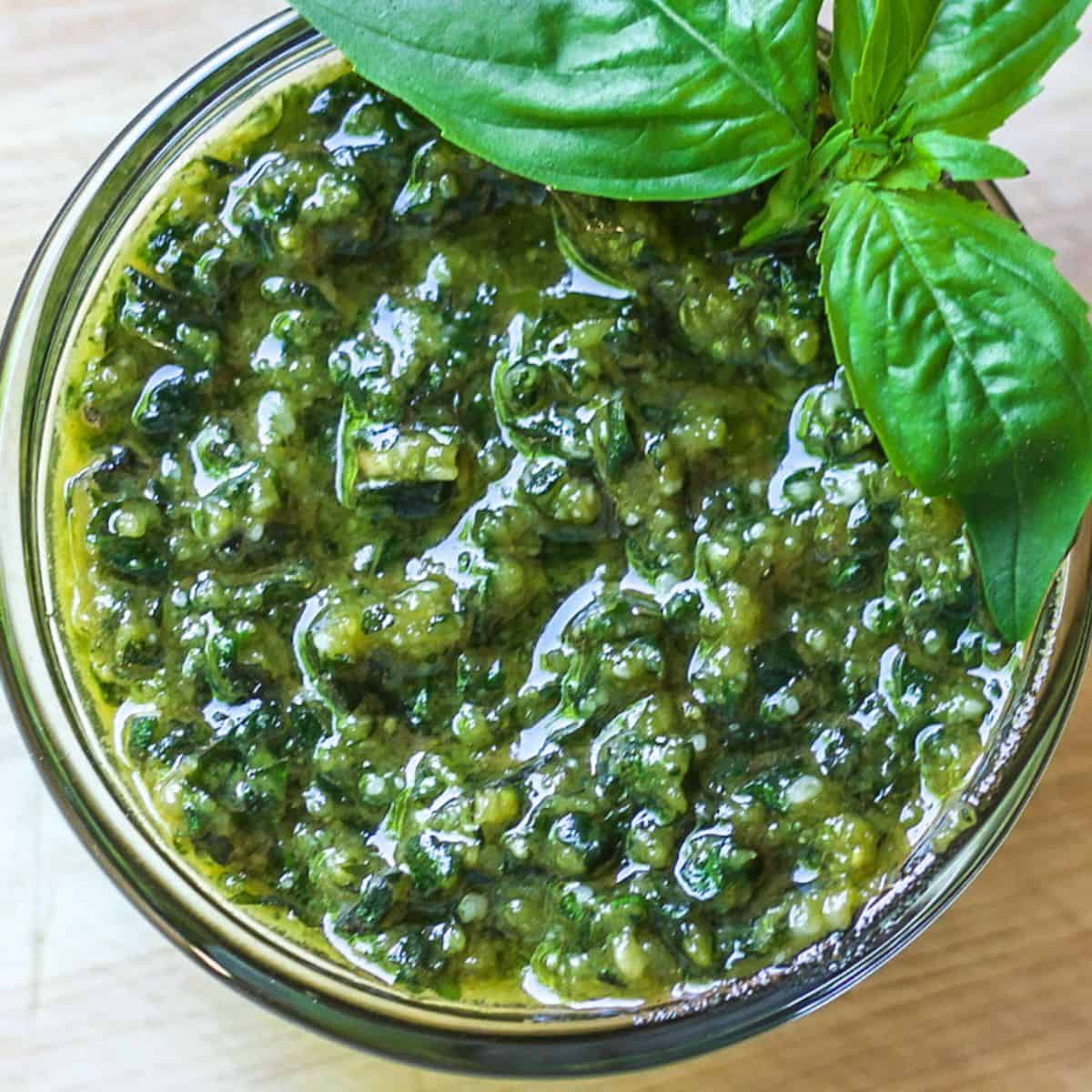
Pesto Perfection: Mortar & Pestle vs. Food Processor for Best Flavor
There's something uniquely enchanting about a truly authentic
homemade basil pesto alle genovese. It’s more than just a sauce; it’s a vibrant symphony of fresh basil, savory cheese, nutty pine nuts, aromatic garlic, and rich olive oil, all harmonizing to create a flavor profile that transports you straight to the sun-drenched Ligurian coast. While store-bought versions offer convenience, they rarely capture the delicate balance, the vivid freshness, or the nuanced texture of a truly homemade batch. This article delves into the heart of pesto-making, exploring the age-old debate: does the traditional mortar and pestle truly yield a superior flavor compared to the modern food processor? Let's uncover the secrets to crafting your perfect pesto.
The Foundation of Flavor: Essential Ingredients for Authentic Pesto
Before we even consider the method, it’s paramount to understand that the soul of exceptional
homemade basil pesto alle genovese lies in the quality of its ingredients. Just like a master painter needs the finest pigments, a pesto artisan requires the freshest, most authentic components.
The Basil: Aromatic Heartbeat of Pesto
Foremost among the ingredients is, of course, the basil. For an authentic Ligurian experience,
Genovese basil is the gold standard. Its tender leaves and sweet, intensely aromatic flavor are unparalleled. If Genovese basil is elusive (often labeled as "Italian basil" in markets, identifiable by its soft, cupped, medium-sized leaves), consider growing your own from a thriving herb plant or opt for the freshest generic variety you can find. Remember, smaller leaves are generally preferred due to their smoother, less fibrous texture. *A word of caution:* Thai basil, with its distinct anise-like flavor, is not suitable for this classic recipe.
The Cheese: Salty, Umami Depth
Just as vital as the basil is the cheese. Traditionally, a blend of freshly grated, aged
Parmigiano-Reggiano provides a sweet, nutty depth, perfectly complemented by the sharper, more earthy notes of
Pecorino Sardo or *Pecorino Fiore Sardo*. The latter can be a quest to find, but specialty cheese shops are your best bet. If Pecorino Sardo proves too elusive, a reduced amount of Pecorino Romano can be substituted, though its tangier, saltier profile will subtly shift the overall flavor. The key is *freshly grated* – pre-grated cheeses lack the freshness and can contain anti-caking agents that affect texture.
The Olive Oil: Liquid Gold
The olive oil binds all the flavors together, contributing its own fruity, peppery notes. If you can source it, a delicate, low-acidity
Ligurian extra-virgin olive oil is traditionally ideal, though it can be pricey. Otherwise, choose your favorite high-quality finishing extra-virgin olive oil. Its flavor should enhance, not overpower, the basil.
Rounding out the essentials are fresh garlic cloves, high-quality pine nuts (often lightly toasted for a deeper flavor, though traditionally raw), and a pinch of sea salt. For a deeper dive into ingredient nuances and selection, check out our guide on
Authentic Homemade Genovese Pesto: Essential Ingredients & Tips.
The Great Debate: Mortar & Pestle vs. Food Processor
Now, let's address the elephant in the kitchen: how you actually *make* the pesto. Both the traditional mortar and pestle and the modern food processor have their adherents, each offering a distinct experience and outcome.
The Mortar and Pestle: The Traditionalist's Choice
The mortar and pestle is the ancestral method, the way pesto has been made in Liguria for centuries. It's a slower, more meditative process, but one that purists argue yields an incomparably superior result.
*
The Process: Bruising, Not Chopping
With a mortar and pestle, ingredients are *ground* and *bruised* rather than chopped. The pestle crushes the basil leaves, systematically breaking down their cell walls. This slow, deliberate action releases the basil's essential oils gradually and evenly, coaxing out its most vibrant aromas and flavors without generating heat.
*
Texture: Rustic Creaminess
The resulting pesto boasts a uniquely rustic, yet beautifully creamy texture. The pine nuts and garlic are reduced to a coarser, almost paste-like consistency, while the basil retains some of its body, creating a pleasant chewiness. The process also helps to emulsify the olive oil with the other ingredients, leading to a richer, more cohesive sauce.
*
Flavor: Basil Forward, Brighter, More Complex
This is where the mortar and pestle truly shines. Because the basil's oils are gently extracted, its flavor is more pronounced, brighter, and less prone to bitterness. The slow release allows for a more complex interplay of all the ingredients, resulting in a deeper, more aromatic, and truly basil-forward pesto. The absence of rapid blade action also prevents oxidation, keeping the pesto's color a vivid green.
The Food Processor: The Modern Approach
For those seeking speed and convenience, the food processor is an undeniable kitchen ally. It streamlines the pesto-making process, making it accessible even on busy weeknights.
*
The Process: Rapid Chopping
A food processor's rapidly spinning blades chop the ingredients quickly and efficiently. While fast, this method tends to "cut" rather than "bruise" the basil. The high speed can also introduce heat and air, potentially oxidizing the basil and dulling its vibrant green color and flavor.
*
Texture: Finer, More Uniform, Less Creamy
Pesto made in a food processor typically has a much finer, more uniform texture. The nuts and garlic are often pulverized into very small, almost indiscernible bits. While smooth, it can sometimes lack the creamy, emulsified quality of mortar and pestle pesto, occasionally appearing a bit "soupy" or pasty depending on how long it's processed.
*
Flavor: Well-Balanced, But Less Basil-Dominant
The flavor profile of food processor pesto is generally well-balanced, with prominent notes of cheese and garlic. However, the basil's delicate nuances can be somewhat muted, and the sauce may taste less "basil-forward." Some sensitive palates might even detect a faint metallic note from the rapid blade action or a slightly bitter edge if the basil is over-processed.
Achieving Pesto Perfection: Tips for Both Methods
Regardless of your chosen method, a few universal tips can elevate your
homemade basil pesto alle genovese to new heights:
*
Temperature Matters: Keep your basil as cool as possible. Some traditionalists even suggest blanching basil briefly in ice water, though many prefer fresh. When using a food processor, work quickly and in short pulses to prevent heat buildup.
*
Add Oil Slowly: For both methods, incorporate the extra-virgin olive oil gradually. This helps in achieving a better emulsion and prevents the pesto from becoming too oily.
*
Patience for the Mortar & Pestle: Don't rush the process. Start with garlic and pine nuts, then add basil in batches, followed by cheese. Grind gently in a circular motion, rather than pounding.
*
Pulse for the Food Processor: Avoid continuous processing. Use short pulses to control the texture and prevent over-processing, which can lead to bitterness and a dull color. Scrape down the sides of the bowl frequently.
*
Taste and Adjust: Always taste your pesto before serving. Adjust salt levels as needed, keeping in mind the saltiness of your cheeses.
*
The "Hybrid" Approach: Some chefs opt for a hybrid method: start by bruising garlic and pine nuts in a mortar to release their potent oils, then transfer to a food processor with basil and cheese for quick finishing.
Beyond the Sauce: Enjoying Your Homemade Basil Pesto
Once you’ve perfected your
homemade basil pesto alle genovese, the culinary possibilities are endless. It's most famously tossed with warm pasta (traditionally *trenette* or *trofie*), but its versatility extends far beyond. Spoon it over grilled chicken or fish, slather it on sandwiches, swirl it into scrambled eggs, or dollop it onto roasted vegetables. The fresh, aromatic burst of flavor instantly elevates any dish.
To preserve your liquid gold, transfer the pesto to an airtight container, smooth the top, and pour a thin layer of olive oil over the surface. This creates a seal that prevents oxidation, keeping it vibrant green. Stored this way, it will last about a week in the refrigerator. For longer storage, freeze it in ice cube trays or small containers; once frozen, transfer the cubes to a freezer bag for easy portioning. For more family-friendly pesto ideas and recipes, explore
Making Homemade Basil Pesto: Fresh Summer Flavors & Family Moments.
Ultimately, the choice between mortar and pestle and food processor comes down to personal preference, time constraints, and the desired outcome. While the food processor offers undeniable speed and convenience, the mortar and pestle provides a connection to tradition and a nuanced flavor profile that is truly unparalleled. Whichever method you choose, the joy of crafting your own fresh, vibrant
homemade basil pesto alle genovese is a culinary reward in itself, promising an unforgettable taste of Italy right in your own home. Experiment, have fun, and savor every aromatic spoonful!