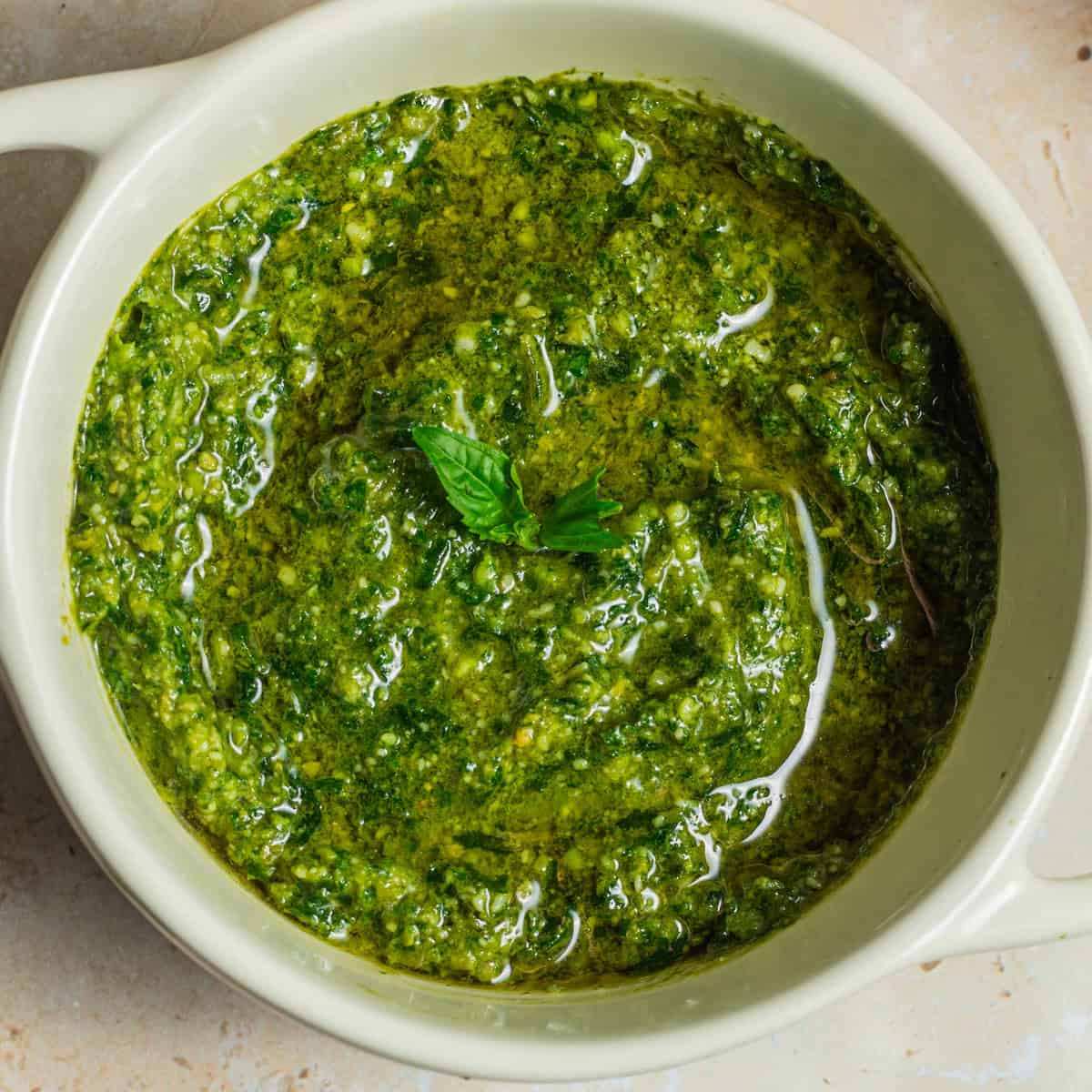
Authentic Homemade Genovese Pesto: Essential Ingredients & Tips
There’s a certain magic that happens when fresh, vibrant ingredients come together to create something truly exceptional. For many, that magic is encapsulated in the exquisite flavor of homemade basil pesto alle genovese. Far from the often-dull, oil-heavy versions found on supermarket shelves, a truly authentic pesto is a symphony of aromatic basil, salty cheeses, delicate pine nuts, and the finest olive oil, all brought together with a unique texture that dances on the palate. Crafting this Ligurian masterpiece at home isn't just about following a recipe; it's about understanding the soul of each ingredient and respecting the traditional techniques that elevate it from a simple sauce to an unforgettable culinary experience.
Our journey to perfect homemade pesto has involved countless hours of research, testing, and a deep appreciation for the original flavors savored in Italy. While replicating the exact conditions and rare local ingredients of Liguria can be a delightful challenge, we've distilled the essence of traditional Genovese pesto into practical advice, ensuring you can achieve a remarkably flavorful and authentic result in your own kitchen.
The Heart of the Matter: Essential Ingredients for Authentic Flavor
The secret to an outstanding pesto lies squarely in the quality and specificity of its components. Think of it as a culinary mosaic, where each piece, no matter how small, contributes significantly to the final masterpiece.
The Basil: The Green Soul of Pesto
- Genovese Basil is King: If you can find it, Genovese basil is unequivocally the best choice. Its characteristic sweet, slightly minty, aromatic notes and softer leaves set it apart. It lacks the strong peppery undertones found in some other basil varieties, allowing its delicate perfume to truly shine. Look for it labeled as "Italian Basil" – typically, if it has soft, cupped, medium-sized leaves, you're on the right track.
- Leaf Selection Matters: Always opt for the smaller, younger leaves. They possess a smoother, less fibrous texture that contributes to a silkier pesto. Older, larger leaves can be tougher and impart a slightly stringier consistency.
- Growing Your Own: Struggling to find Genovese basil? Consider growing your own! Many garden stores sell thriving basil plants, providing a continuous supply of fresh, tender leaves right on your windowsill or garden patch.
- Avoid Thai Basil: While delicious in its own right, Thai basil with its anise-like flavor profile is entirely unsuitable for Genovese pesto and will yield an inauthentic taste.
The Cheese: A Symphony of Savory Depth
High-quality, freshly grated cheese is non-negotiable. Traditionally, a blend is used to achieve the perfect balance of salty, nutty, and earthy notes:
- Parmigiano-Reggiano: This aged Italian hard cheese provides a deep, umami-rich, nutty foundation. Always grate it fresh for the best flavor and texture.
- Pecorino Sardo/Fiore Sardo: This is the traditional Ligurian choice, an earthy, nutty sheep's milk cheese that complements the Parmigiano beautifully. It can be challenging to source, often requiring a visit to a specialty cheese shop.
- Pecorino Romano (Substitute): If Pecorino Sardo is elusive, Pecorino Romano is a more readily available alternative. However, use it judiciously – about half the amount you would Sardo. Romano is much sharper and tangier, and using too much can overpower the delicate basil. Understanding this subtle difference is key to balancing your pesto's flavor profile.
The Olive Oil: The Silken Binder
Just as with the other ingredients, the olive oil plays a crucial role. Opt for a high-quality extra-virgin olive oil. Ligurian olive oil is ideal if you can source it (though it can be quite pricey!), known for its mild, fruity, and slightly peppery notes that enhance rather than dominate. Your favorite finishing extra-virgin olive oil will work wonderfully, adding a rich, velvety texture and complementary aroma without overwhelming the basil.
Pine Nuts & Garlic: The Aromatic Accents
- Pine Nuts: These small, buttery nuts add a delightful richness and slight sweetness. While some traditionalists prefer them raw, gently toasting them in a dry pan for a few minutes until fragrant can amplify their flavor.
- Garlic: Less is often more with garlic in authentic Genovese pesto. A small clove, or even half a clove, is usually sufficient to add a pungent kick without overshadowing the basil. Too much garlic can make the pesto harsh.
- Sea Salt: Coarse sea salt isn't just for seasoning; it acts as an abrasive, helping to break down the ingredients in a mortar and pestle, releasing their essential oils.
Crafting Your Pesto: Traditional vs. Modern Methods
The method you choose to make your pesto significantly impacts its final texture and flavor. The two most common approaches are the time-honored mortar and pestle or the more modern food processor.
The Mortar and Pestle (Traditional Method)
This is the authentic Ligurian way, and it yields a truly superior result. The gentle, rhythmic pounding and grinding action of a marble mortar and wooden pestle bruise the basil leaves, releasing their essential oils without tearing them. This process creates an emulsified, creamy texture and a vibrant, basil-forward flavor that is difficult to replicate. The basil retains its bright green color longer because less heat is generated, preventing oxidation.
The Food Processor (Modern Method)
For convenience and speed, a food processor is an excellent choice, especially for larger batches or if you're making pesto with little hands in the kitchen. However, the blades chop rather than bruise, which can lead to a less creamy, more granular texture and a slightly less intense basil flavor. The rapid blade action can also generate heat, potentially oxidizing the basil and dulling its vibrant green hue. To mitigate these effects, process in short pulses, add the olive oil slowly, and ensure all ingredients are as cold as possible.
For a deeper dive into this fascinating debate and to discover tips for achieving the best results with either method, explore our dedicated article: Pesto Perfection: Mortar & Pestle vs. Food Processor for Best Flavor.
Beyond the Basics: Tips for Pesto Perfection
- Keep it Cold: To prevent your basil from turning dark and losing its vibrant color, ensure all your ingredients (especially the basil and olive oil) are chilled before you begin.
- The Order Matters: When using a mortar and pestle, start by grinding the garlic, pine nuts, and salt into a paste. Then, add the basil leaves in batches, gently pressing and rotating until they break down. Finally, incorporate the cheeses, then slowly drizzle in the olive oil, continuing to grind until a smooth, emulsified sauce forms.
- Don't Overprocess: Whether using a mortar and pestle or a food processor, avoid overworking the pesto. The goal is a rustic yet smooth consistency, not a completely homogenized puree.
- Storage Secrets: To keep your homemade pesto fresh, transfer it to an airtight container. Pour a thin layer of extra-virgin olive oil over the top to create a seal, preventing air from oxidizing the basil and keeping it beautifully green. Stored this way in the refrigerator, it will last about 5-7 days. For longer storage, pesto freezes exceptionally well in ice cube trays or small containers.
- Serving Versatility: Pesto is synonymous with pasta, but its uses extend far beyond! Spoon it over grilled chicken or fish, spread it on sandwiches or bruschetta, dollop it onto roasted vegetables, or even stir it into scrambled eggs. Its fresh, herbaceous punch elevates almost any dish.
- A Family Affair: Making pesto can be a wonderfully sensory and engaging activity for all ages. Gathering around the kitchen, picking basil leaves, and experiencing the aromas of garlic and cheese filling the air transforms cooking into a memorable moment – slow, thoughtful, and joyfully a bit messy. For more ideas on how to involve your loved ones in this delightful process, read our article: Making Homemade Basil Pesto: Fresh Summer Flavors & Family Moments.
Conclusion
Embracing the art of making homemade basil pesto alle genovese is a rewarding culinary journey. It’s a testament to the fact that with a little care, attention to ingredient quality, and respect for tradition, you can create something far superior to any store-bought alternative. So, gather your fresh basil, select your finest cheeses, and prepare to embark on a flavorful adventure that will undoubtedly become a cherished staple in your home. The vibrant taste of authentic Genovese pesto awaits!
