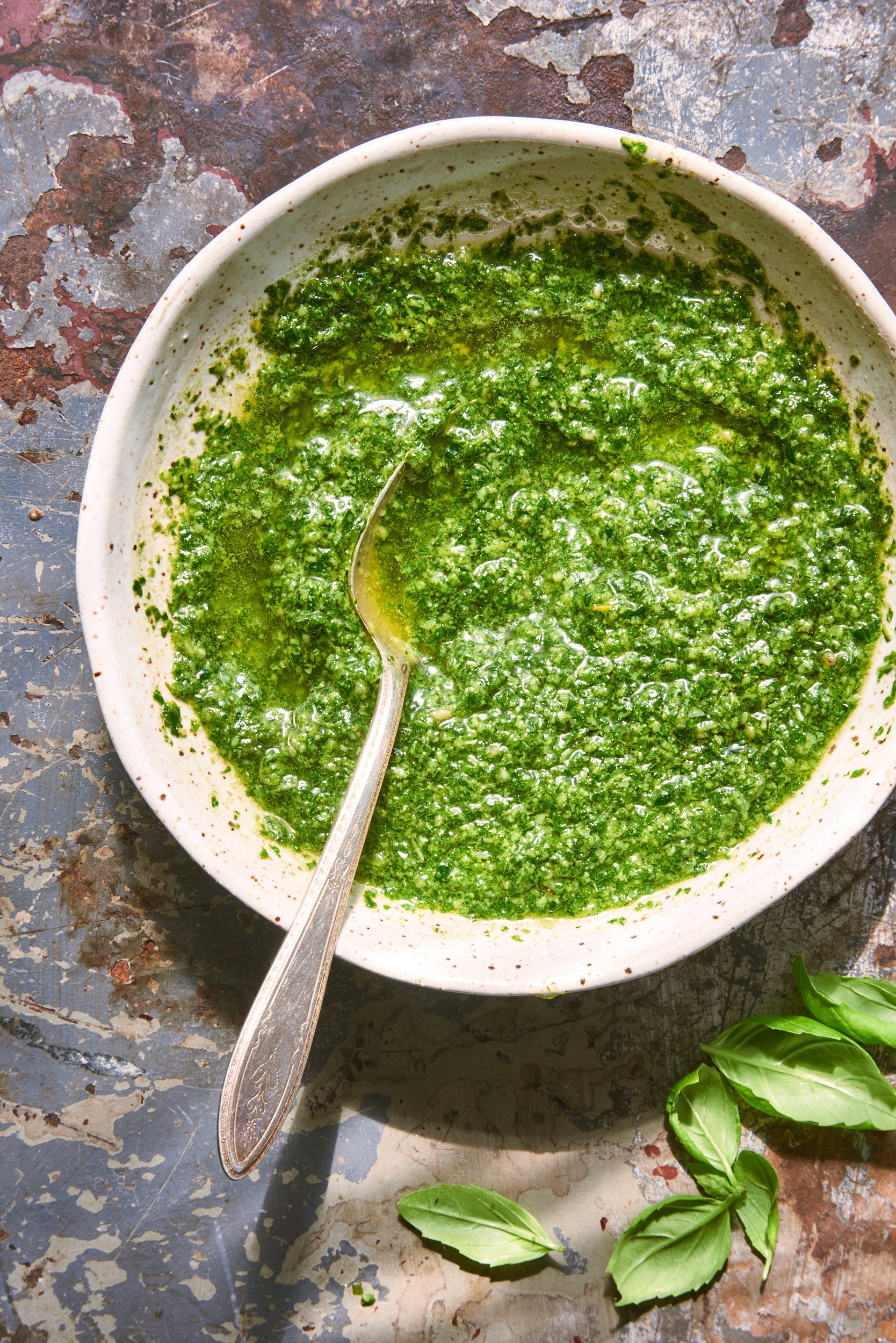
Making Homemade Basil Pesto: Fresh Summer Flavors & Family Moments
There's an undeniable magic that arrives with the vibrant greens and abundant sunshine of summer. As the world around us bursts into life, our kitchens often follow suit, yearning for flavors that are as fresh and lively as the season itself. Few culinary creations capture this essence quite like homemade basil pesto alle genovese. This isn't just a sauce; it's a celebration of simple, high-quality ingredients harmonizing to create an intensely aromatic, unbelievably fresh, and utterly delicious experience. Forget the dull, often overly salty versions from a jar – once you taste authentic, freshly made pesto, there's simply no going back. It's a timeless classic that brings not only unparalleled flavor to your table but also creates wonderful, shared moments in the kitchen.
The Soul of Summer: Why Homemade Pesto Reigns Supreme
Imagine the aroma of freshly picked basil, the sharp scent of aged cheese, the delicate earthiness of pine nuts, and the subtle warmth of garlic, all mingling together. That's the sensory symphony of genuine pesto. Here in the cusp of spring and summer, when herbs are in their glorious abundance, crafting your own pesto is more than just cooking; it's an act of embracing the season. The difference between a store-bought pesto and one made from scratch is monumental. While convenient, mass-produced versions often sacrifice the bright, nuanced flavors for shelf stability, resulting in a product that pales in comparison to the homemade variant's vibrant green hue, silken texture, and bursting fresh taste. It's the kind of recipe that embodies the very best of summer's bounty, transforming humble ingredients into something truly extraordinary.
Mastering the Ingredients: The Pesto Pantheon
The secret to an exceptional homemade basil pesto alle genovese lies in the quality and specificity of its core ingredients. While the list might seem straightforward, each component plays a vital role in achieving that coveted authentic Ligurian flavor. We’ve dedicated countless hours to research and testing to pinpoint the ideal choices that make all the difference. For a deeper dive into ingredient selection and preparation, you might find our guide on Authentic Homemade Genovese Pesto: Essential Ingredients & Tips incredibly helpful.
The Basil: Heart of the Pesto
Without question, basil is the star of the show. For an authentic experience, Genovese basil is the gold standard. Prized for its sweet, intensely aromatic flavor and characteristically soft, cupped leaves, it yields a pesto that's both fragrant and beautifully textured. If you're fortunate enough to find it at your local market, grab it! Often, it's labeled simply as "Italian Basil." A good rule of thumb is to look for soft, medium-sized, cupped leaves.
- Choosing Wisely: Always opt for smaller basil leaves. They possess a smoother, less fibrous texture that contributes to a silkier pesto. Larger leaves can sometimes be tougher and yield a slightly stringier consistency.
- Growing Your Own: If Genovese basil proves elusive, cultivating your own herb garden is a fantastic alternative. Most garden centers offer thriving basil plants, ensuring a steady supply of fresh leaves throughout the warmer months. Plus, there's immense satisfaction in using ingredients you've grown yourself!
- What to Avoid: While other basil varieties are delicious in their own right, avoid Thai basil for pesto, as its anise-like flavor profile is entirely different from what's needed for traditional Genovese pesto. Generic varieties will still be lovely, but might lack the nuanced sweetness of Genovese.
The Cheese: A Symphony of Savory Notes
Good quality cheese is non-negotiable. Traditionally, homemade basil pesto alle genovese calls for a blend of freshly grated, aged Parmigiano-Reggiano and a touch of Pecorino Sardo or Pecorino Fiore Sardo. The latter can be a challenge to source, but a call to your local specialty cheese shop might just yield success. These cheeses are distinct:
- Parmigiano-Reggiano: Provides a rich, complex, nutty, and savory base. Always grate it fresh; pre-grated cheeses often contain anti-caking agents that can affect the texture and flavor of your pesto.
- Pecorino Sardo/Fiore Sardo: Offers an earthy, slightly tangy note that beautifully complements the Parmigiano.
- The Substitute: If Pecorino Sardo is unavailable, Pecorino Romano is a viable alternative, though use about half the amount. Pecorino Romano is significantly sharper and tangier than its Sardo counterpart, so a lighter hand is advised to maintain balance.
The Olive Oil: Liquid Gold
The quality of your extra-virgin olive oil directly impacts the flavor and texture of your pesto. Ligurian olive oil, with its delicate, fruity notes, is traditionally preferred and can be found in specialty stores (though often at a premium). Otherwise, reach for your favorite high-quality finishing extra-virgin olive oil. Look for one with a mild to medium intensity; an overly pungent or bitter oil can overwhelm the delicate basil. The oil acts not only as a flavor carrier but also as an emulsifier, contributing to the pesto's luscious, creamy consistency.
The Nuts and Garlic: Essential Aromatics
- Pine Nuts: These soft, buttery nuts add a delightful richness. While traditionally used raw, a gentle toast in a dry pan can enhance their nutty flavor. Be careful not to burn them!
- Garlic: Fresh garlic is indispensable. The amount can be adjusted to your preference, but a small clove or two is usually sufficient to add depth without overpowering the basil. A trick for the mortar and pestle method is to crush the garlic with a pinch of coarse salt first, which helps break it down and release its essential oils more effectively.
Traditional Craft vs. Modern Convenience: Your Pesto-Making Journey
The method you choose to make your pesto significantly influences its final texture and flavor. The two most common approaches are the time-honored mortar and pestle or the modern convenience of a food processor. We've put both methods to the test to help you decide which path aligns best with your culinary philosophy.
The Mortar and Pestle: Embracing Tradition
The traditional Ligurian method involves patiently pounding the ingredients in a marble mortar with a wooden pestle. This gentle bruising action, rather than cutting, slowly breaks down the basil leaves, garlic, and pine nuts, releasing their essential oils and aromas more effectively. The result is a truly unique texture and flavor profile:
- Texture: Incredibly creamy, almost velvety, with fine bits of ingredients that are evenly dispersed but not overly pulverized. It achieves a beautiful emulsion that coats pasta like a dream.
- Flavor: Distinctly basil-forward, with the delicate, complex notes of the herb shining through. The flavors are more integrated and aromatic, creating a deeper, more profound pesto experience.
- The Experience: While more labor-intensive, the mortar and pestle method is a meditative, sensory experience. It connects you to centuries of culinary tradition and, for many, is well worth the effort for the superior result.
For a detailed comparison and a deep dive into the nuances of each method, explore our article: Pesto Perfection: Mortar & Pestle vs. Food Processor for Best Flavor.
The Food Processor: A Modern Ally
For those seeking a quicker route to delicious pesto, the food processor is a reliable and popular tool. It makes the process incredibly fast and efficient, perfect for busy weeknights or when making larger batches.
- Texture: Tends to be finer, more uniform, and somewhat less creamy, resembling more of a chopped consistency than a pounded paste. The bits of nuts, garlic, and basil are very fine, but don't quite achieve the same emulsified richness as the traditional method.
- Flavor: Still incredibly flavorful and far superior to store-bought, with well-balanced notes of salty cheese and garlic throughout. However, the basil's delicate aroma can be slightly less pronounced compared to the mortar and pestle method, as the blades tend to cut rather than bruise the leaves.
- Tips for Success: To achieve the best results with a food processor, pulse the ingredients rather than running it continuously. Add the olive oil slowly and steadily through the feed tube while pulsing, which helps create a smoother emulsion. Some even recommend blanching the basil briefly to help maintain its vibrant green color and prevent oxidation.
More Than a Recipe: Creating Family Moments
Beyond its incredible flavor, making homemade basil pesto alle genovese offers a wonderful opportunity to create cherished family moments. As the reference beautifully puts it, "It’s one of those recipes that turns into a memorable moment—slow, thoughtful, and joyfully a bit messy."
Involving little hands in the kitchen transforms a cooking task into a shared adventure. Imagine the kids gathering around, excitedly picking fresh basil leaves from the plant or dropping pine nuts into the food processor. The air fills with the delightful aromas of garlic, cheese, and basil, engaging their senses and sparking curiosity. It’s an easy, forgiving recipe that allows children to participate meaningfully, fostering a love for cooking and fresh ingredients from an early age. These shared experiences, from the simple act of preparing a meal together to enjoying the delicious fruits of your labor, become treasured memories that linger long after the last spoonful of pesto is gone.
Once your pesto is ready, the culinary possibilities are endless. Toss it with warm pasta for a classic meal, spoon it over grilled chicken or fish, spread it onto bruschetta, stir it into scrambled eggs, or even swirl it into a summer vegetable soup. To store any leftover pesto, simply transfer it to an airtight container, smooth the top, and pour a thin layer of olive oil over it to prevent oxidation. It will keep beautifully in the refrigerator for up to a week, or you can freeze it in ice cube trays for longer storage.
Conclusion
Making homemade basil pesto alle genovese is a culinary journey that rewards you with fresh, vibrant flavors that epitomize summer. Whether you opt for the meditative tradition of the mortar and pestle or the swift convenience of a food processor, the result is a testament to the power of quality ingredients and a labor of love. It’s a recipe that encourages creativity, connection, and a deeper appreciation for the simple, wholesome goodness that comes from your own kitchen. So, gather your finest basil, your best olive oil, and your loved ones, and embark on this delicious adventure. Your taste buds, and your family, will thank you for it.
